

Traditional African Foods and Their Origins: A Journey Through Africa’s Rich Cuisine

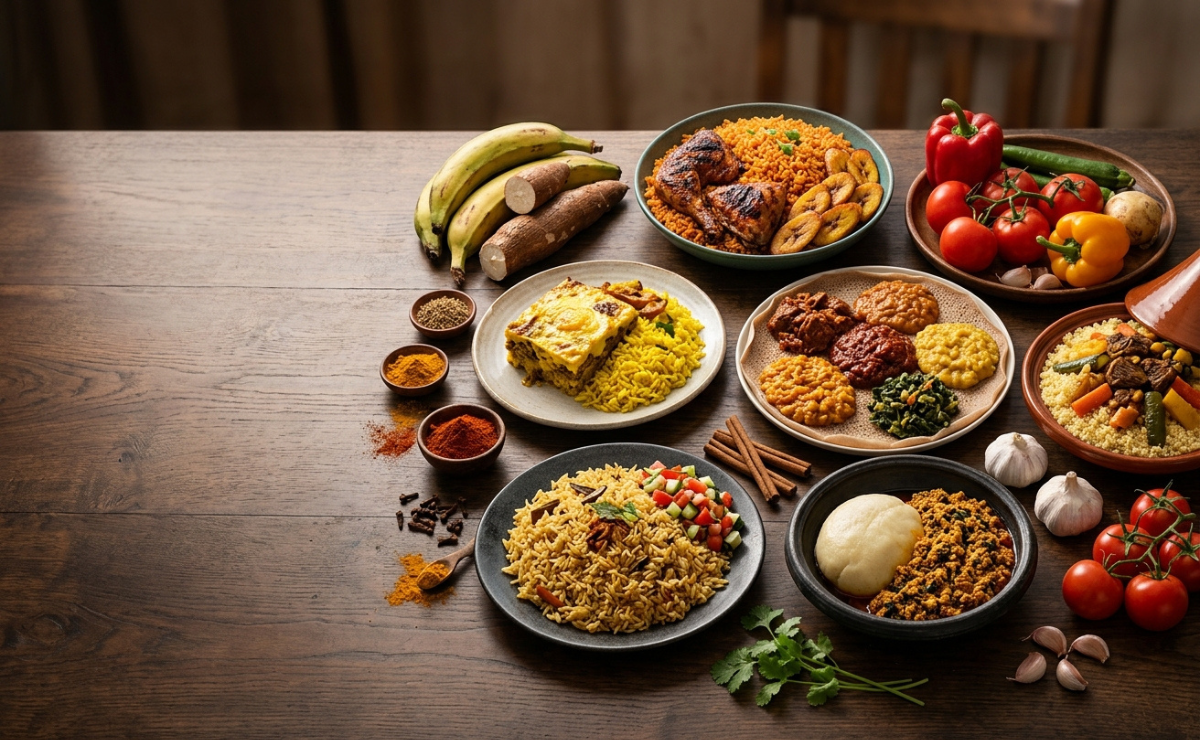
Traditional African Foods and Their Origins: A Journey Through Africa’s Rich Cuisine
Africa is home to one of the world's most diverse and flavorful food cultures. From the spicy stews of West Africa to the fragrant dishes of North Africa and the grain-based meals of East Africa, traditional African foods reflect centuries of history, migration, agriculture, trade, and cultural exchange.
African cuisine is not one single style of cooking. Every region, country, and community has its own ingredients, cooking techniques, flavors, and food traditions. Many traditional dishes are closely connected to celebrations, family gatherings, religious occasions, and everyday life.
In this guide, we explore some of the most popular traditional African foods and their origins, while looking at the ingredients and cultural traditions that make them unique.
What Makes African Cuisine Unique?
Traditional African cuisine is strongly influenced by locally available ingredients and the agricultural practices of different regions.
Common ingredients include:
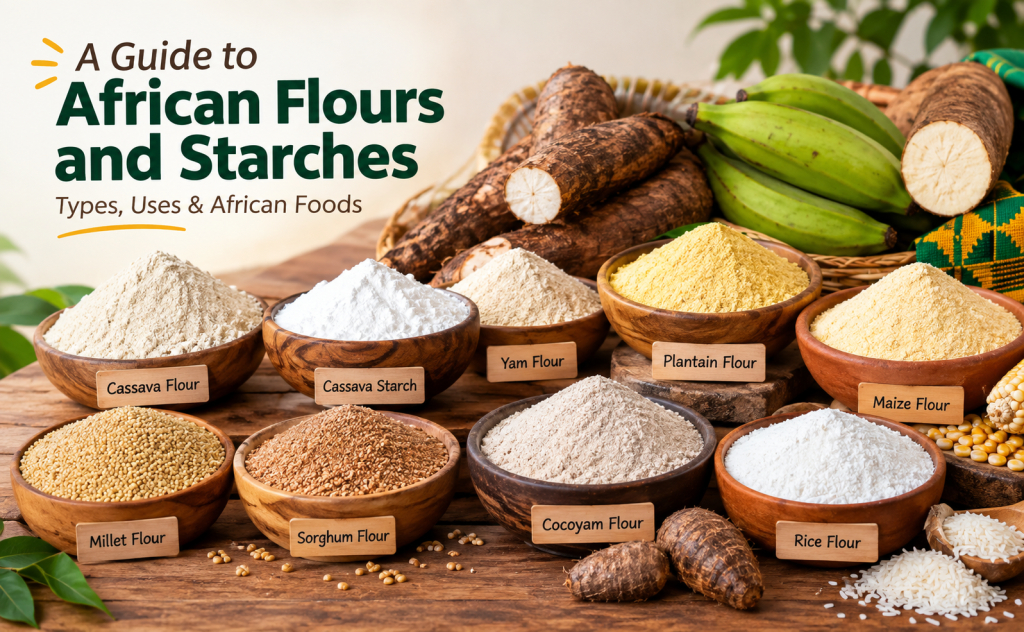
- Rice
- Maize
- Millet
- Sorghum
- Cassava
- Yams
- Plantains
- Beans
- Tomatoes
- Peppers
- Groundnuts
- Palm oil
- Leafy vegetables
- Meat and poultry
- Fish and seafood
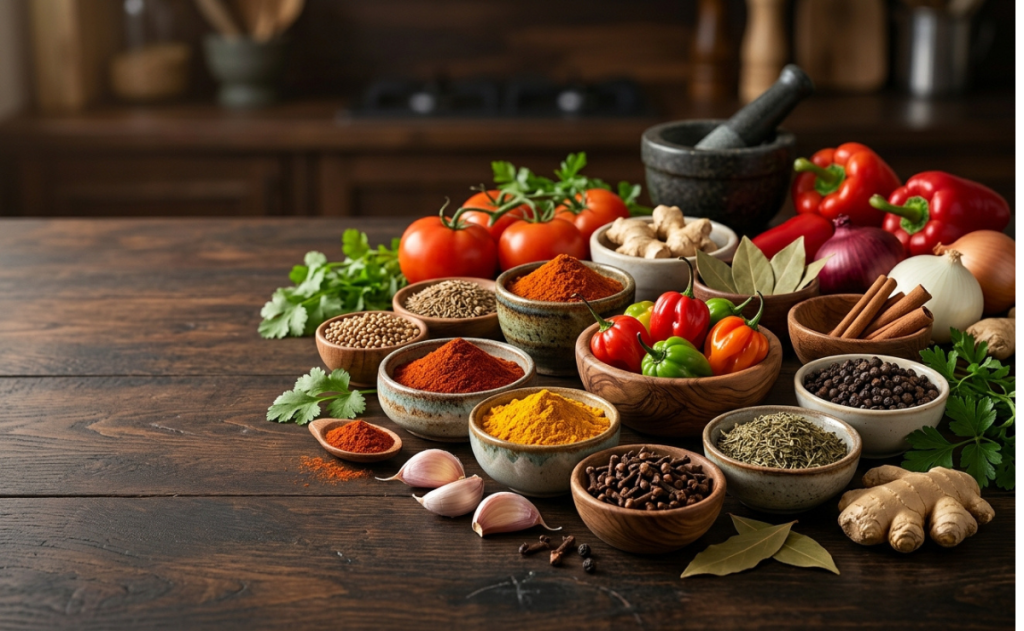
- Spices and herbs
Food preparation methods also vary widely. Depending on the region, traditional meals may involve boiling, grilling, roasting, frying, fermenting, steaming, or slow-cooking.
The result is an enormous variety of dishes, many of which have become popular far beyond their places of origin.
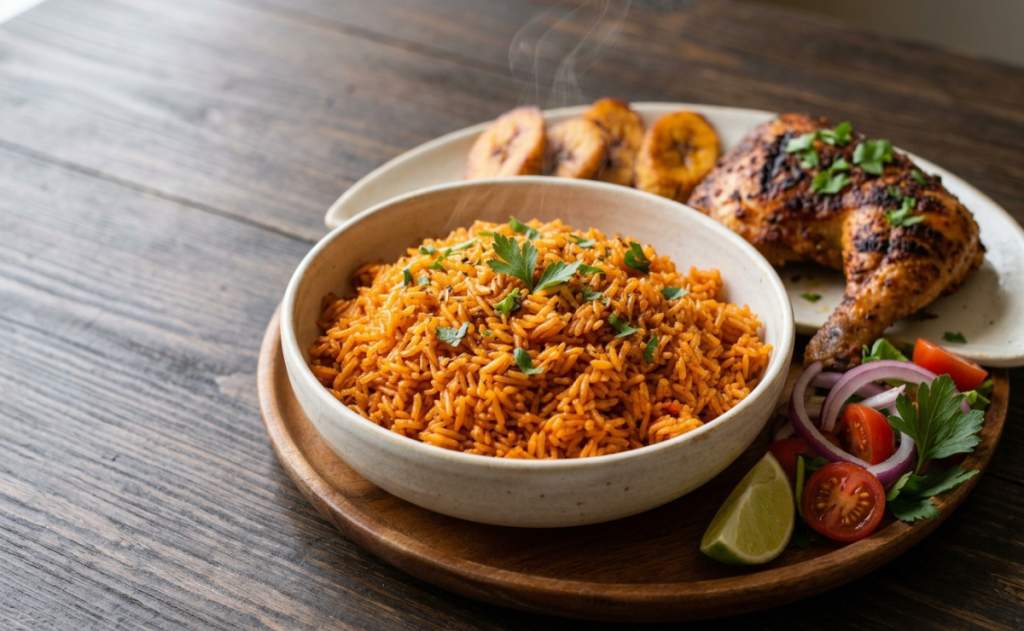
1. Jollof Rice — West Africa
Jollof rice is one of the most recognizable West African dishes. It is particularly popular in Nigeria, Ghana, Senegal, Gambia, Sierra Leone, and Liberia, although recipes and preparation methods differ across countries.
The dish is prepared by cooking rice in a rich sauce made from tomatoes, peppers, onions, spices, and stock.
Origins of Jollof Rice
Jollof rice is closely associated with the historical Senegambia region and is commonly connected to the Wolof people of Senegal and Gambia. The dish is related to the broader West African culinary tradition known as ceebu jën and other rice-based meals.
Over time, different countries developed their own versions of the dish.
Nigerian jollof is known for its rich tomato-pepper base and is especially famous for party-style preparation. Ghanaian jollof has its own distinct seasoning and cooking techniques.
Today, jollof rice is a staple at weddings, birthdays, festivals, family gatherings, and other celebrations throughout West Africa.
2. Fufu — West and Central Africa
Fufu is a popular staple food found in many parts of West and Central Africa. It is commonly made from starchy foods such as cassava, yam, plantain, or a combination of ingredients.
The cooked ingredients are pounded or processed until they become smooth and stretchy.
Fufu is generally served alongside soups and stews. Depending on the country, it may be eaten with dishes such as egusi soup, okra soup, groundnut soup, or various vegetable and meat stews.
Cultural Importance of Fufu
Fufu represents more than just a staple food in many African communities. The preparation and sharing of the meal are closely connected to family and community traditions.
Different countries and ethnic groups have their own versions, names, textures, and preparation methods.
3. Egusi Soup — Nigeria and West Africa
Egusi soup is a popular Nigerian dish made primarily with ground melon seeds. It is usually prepared with leafy vegetables, peppers, onions, palm oil, meat, fish, or other protein sources.
The soup is commonly served with fufu, pounded yam, eba, or other traditional Nigerian swallows.
Origins of Egusi Soup
Egusi refers to the seeds of certain melon plants that have long been used as an important ingredient in West African cooking.
Although recipes differ between communities, egusi-based dishes are particularly associated with Nigeria and other parts of West Africa.
The combination of ground seeds, palm oil, vegetables, spices, and protein creates a rich and hearty dish.
4. Injera and Doro Wat — Ethiopia
Injera is one of the most distinctive foods associated with Ethiopian and Eritrean cuisine.
It is a soft, slightly sour, fermented flatbread traditionally made from teff flour. Injera is used both as food and as an edible serving surface for stews and vegetables.
One of the most famous dishes served with injera is doro wat, a spicy chicken stew prepared with onions, spices, butter, and eggs.
Origins of Injera
Teff has been cultivated in the Horn of Africa for thousands of years and remains an important grain in Ethiopian cuisine.
The fermentation process gives injera its characteristic tangy flavor and soft, spongy texture.
Traditionally, diners tear pieces of injera with their hands and use them to scoop up the accompanying dishes. Sharing food from the same platter is also an important part of Ethiopian dining culture.
5. Couscous — North Africa
Couscous is one of the most famous foods from North Africa. It is particularly associated with countries such as Morocco, Algeria, Tunisia, and Libya.
Traditionally made from semolina wheat, couscous consists of tiny steamed granules that are commonly served with vegetables, chickpeas, meat, or rich sauces.
Origins of Couscous
Couscous has deep roots among the Indigenous Amazigh (Berber) peoples of North Africa.
The dish developed as an important staple in the region because grains such as wheat and barley played a major role in North African agriculture.
Today, couscous is an important part of family meals and celebrations throughout North Africa and has become internationally popular.
6. Tagine — Morocco
Tagine refers both to a traditional Moroccan cooking vessel and to dishes prepared in it.
The traditional tagine pot has a distinctive cone-shaped lid that helps circulate steam during slow cooking.
Moroccan tagines may contain combinations of:
- Chicken
- Lamb
- Beef
- Vegetables
- Olives
- Preserved lemons
- Dried fruits
- Nuts
- Moroccan spices
Origins of Tagine
Tagine cooking is deeply rooted in North African culinary traditions, particularly Moroccan cuisine.
Slow cooking allows meat and vegetables to become tender while absorbing the flavors of aromatic spices.
The dish demonstrates how traditional African cooking techniques often make effective use of simple ingredients while producing complex flavors.
7. Bunny Chow — South Africa
Bunny chow is a popular South African dish consisting of a hollowed-out loaf of bread filled with curry.
Despite its unusual name, the dish contains no rabbit.
Origins of Bunny Chow
Bunny chow developed in Durban, South Africa, and is strongly associated with the city's Indian South African community.
The dish reflects the multicultural history of South Africa and the influence of Indian migration on local cuisine.
Today, bunny chow is a well-known South African street food and comfort meal.
8. Bobotie — South Africa
Bobotie is a South African baked dish traditionally made with seasoned minced meat topped with an egg-based mixture.
Common ingredients include curry spices, onions, dried fruit, and other aromatic seasonings.
The dish is often served with rice and accompanying sides.
Origins of Bobotie
Bobotie is generally associated with Cape Malay cuisine in South Africa.
Its history reflects the cultural interactions that took place in the Cape region, particularly the influence of communities from Southeast Asia and other parts of the Indian Ocean world.
The combination of savory meat, aromatic spices, and subtle sweetness makes bobotie distinctive.
9. Ndolé — Cameroon
Ndolé is a traditional Cameroonian dish made with bitter leaves and groundnuts. It is often cooked with meat, shrimp, or other seafood.
The dish is especially associated with the Sawa communities of coastal Cameroon.
What Makes Ndolé Special?
The bitter leaves give the dish its characteristic flavor, while groundnuts create a rich and creamy texture.
Ndolé demonstrates the importance of locally available plants and nuts in traditional Central African cooking.
It is commonly served with plantains, cassava, rice, or other staple foods.
10. Matoke — Uganda and East Africa
Matoke is a traditional East African dish made primarily from green bananas or plantains.
The bananas are commonly steamed or cooked into a soft dish and may be served with meat, beans, groundnut sauce, or other accompaniments.
Origins of Matoke
Matoke is particularly associated with Uganda, where bananas have long been an important agricultural crop and food source.
Banana-based dishes are also found in other parts of East Africa.
Matoke illustrates how staple crops can become deeply connected to the identity and food traditions of a region.
11. Pilau — East Africa
East African pilau is a fragrant rice dish commonly prepared with spices, meat, and sometimes vegetables.
It is particularly popular in Kenya and Tanzania and is also enjoyed in other parts of East Africa.
Typical spices include:
- Cardamom
- Cinnamon
- Cloves
- Cumin
- Black pepper
Origins of East African Pilau
East African pilau reflects the long history of trade and cultural exchange along the Swahili Coast.
Arab, Persian, Indian, and African influences contributed to the development of the region's distinctive food culture.
Pilau is often prepared for celebrations, weddings, holidays, and important family occasions.
12. Chakalaka — South Africa
Chakalaka is a spicy vegetable relish commonly made with tomatoes, onions, peppers, beans, carrots, and spices.
It is often served alongside grilled meat, bread, pap, or other South African dishes.
Origins of Chakalaka
Chakalaka is strongly associated with South African township and urban food culture.
Its simple ingredients and bold flavor have helped make it a popular accompaniment to many meals.
Today, chakalaka is commonly found at South African gatherings and celebrations.
The Role of Staple Foods in African Cuisine
Staple foods form the foundation of many traditional African meals.
Different environments naturally encouraged different crops.
In parts of West Africa, crops such as cassava, yams, plantains, and rice became important staples. In East Africa, maize, bananas, millet, and sorghum have played major roles. In North Africa, wheat and other grains have been central to traditional diets.
These staple ingredients are often transformed into breads, porridges, dumplings, rice dishes, and other meals.
How Trade and Migration Shaped African Food
African cuisine has developed through both local traditions and centuries of cultural exchange.
Trade routes across the Sahara connected North Africa with communities farther south. Along the East African coast, the Swahili world connected African communities with traders from Arabia, Persia, India, and other regions.
Migration also introduced new ingredients, cooking methods, and culinary traditions.
Tomatoes, peppers, maize, and other crops that are now common in African cuisine became widespread after being introduced through global trade and exchange.
African cooks incorporated these ingredients into existing culinary traditions, creating dishes that are now considered traditional.
Food as Part of African Culture
Food in Africa is often about more than nourishment.
Meals can represent hospitality, family, celebration, identity, and community.
Large dishes of rice, stews, grilled meats, vegetables, and other foods are frequently prepared when families and communities gather together.
Traditional recipes are also passed from one generation to another. In many households, cooking techniques and ingredient combinations are learned through observation and practice rather than written recipes.
This is one reason why the same dish can have many variations.
Why Traditional African Foods Matter
Traditional African foods preserve important parts of the continent's history and cultural identity.
A recipe can tell us about:
- The crops grown in a particular region
- Historical migration
- Trade between communities
- Religious and cultural traditions
- Local cooking techniques
- Family customs
- Community celebrations
Exploring African cuisine therefore provides an opportunity to understand the continent through its food.
Final Thoughts
Traditional African foods are incredibly diverse, flavorful, and deeply connected to the history of the communities that created them.
From Nigerian jollof rice and egusi soup to Ethiopian injera, Moroccan couscous, South African bobotie, Cameroonian ndolé, and Ugandan matoke, each dish tells a different story.
While recipes continue to evolve, traditional African cuisine remains an important way of preserving culture, celebrating community, and sharing the rich history of the continent with the world.
Whether you are discovering African food for the first time or reconnecting with familiar family recipes, there is always another dish, ingredient, and culinary tradition to explore.
Food is not just something we eat — it is one of the ways cultures tell their stories.
Available in our store

Aboniki Balm
$3.99

Beef Feet (Cow Leg)
$9.99 – $49.99Price range: $9.99 through $49.99
Best African Hausa Koko
$6.99
Boneless Beef Shank
$16.99 – $212.99Price range: $16.99 through $212.99