

How to Choose African Cooking Spices: A Beginner’s Guide

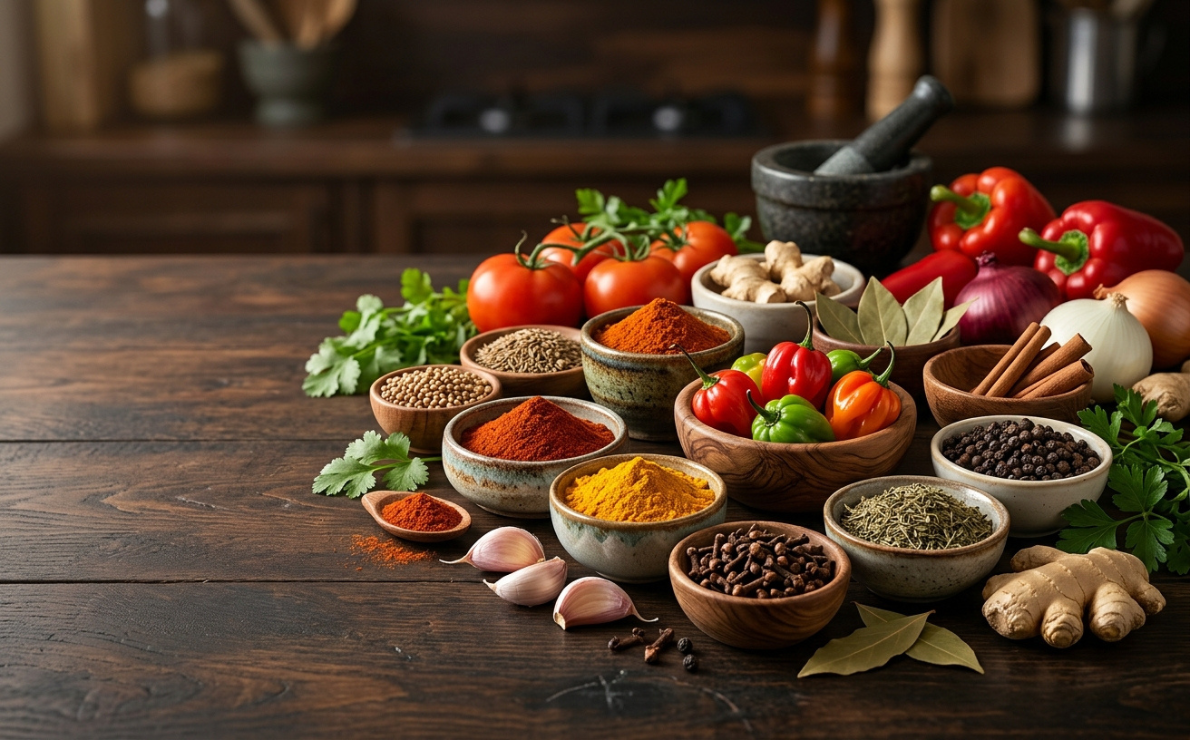
How to Choose African Cooking Spices: A Complete Beginner’s Guide
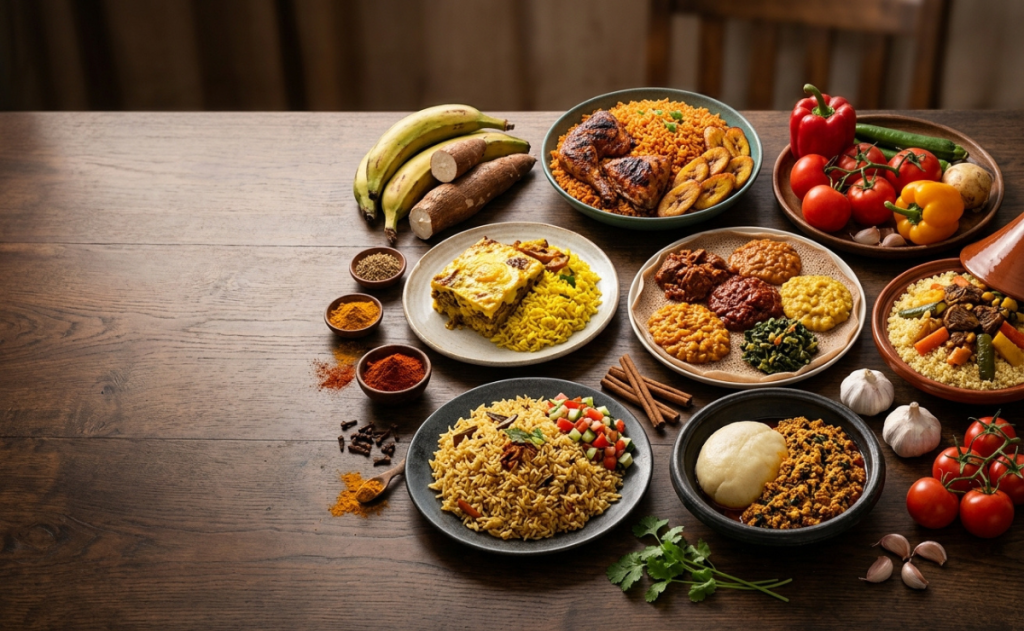
African cuisine is known for its bold flavors, rich aromas, vibrant colors, and unique combinations of spices and herbs. From Nigerian jollof rice and suya to Moroccan tagines and Ethiopian stews, spices play an important role in creating the distinctive flavors found across the continent.
However, choosing the right African cooking spices can be confusing, especially if you are new to African cuisine. With so many options available, it can be difficult to know which spices to buy, how to use them, and which ones work best with different dishes.
This guide will help you understand how to choose African cooking spices, build a useful spice collection, and use spices to create flavorful African-inspired meals at home.
What Are African Cooking Spices?
African cooking spices are herbs, seeds, roots, peppers, and dried seasonings commonly used to add flavor, aroma, color, and heat to African dishes.
Different regions of Africa have their own traditional spices and seasoning combinations. West African cooking often uses ingredients such as ginger, garlic, chili peppers, cloves, nutmeg, and grains of selim, while North African cuisine is well known for cumin, coriander, cinnamon, turmeric, and paprika.
African spices can be used individually or combined to create complex seasoning blends.
The most important thing to remember is that there is no single "African spice." Africa is a large and culturally diverse continent, and its cuisines use many different ingredients and cooking traditions.
Why Spices Are Important in African Cooking
Spices do more than make food taste spicy. They help create layers of flavor and give traditional dishes their distinctive character.
African cooking spices can provide:
-
Heat and spice
-
Sweet and earthy flavors
-
Smoky aromas
-
Warm, savory notes
-
Rich color
-
Fresh and fragrant aromas
-
Depth and complexity
For example, a simple stew can become much more flavorful when seasoned with ginger, garlic, chili pepper, thyme, or other complementary spices.
The key is learning how each spice tastes and understanding how much to use.
Popular African Cooking Spices to Know
If you are building your African spice collection, start with versatile spices that can be used in several different dishes.
1. Ginger
Ginger is widely used in African cooking and is especially popular in West African dishes.
It has a warm, slightly spicy, and aromatic flavor. Fresh ginger can be blended into sauces, marinades, and stews, while dried ginger powder is convenient for seasoning.
Ginger works well with:
-
Chicken
-
Beef
-
Fish
-
Rice dishes
-
Stews
-
Soups
-
Marinades
2. Garlic
Garlic adds a strong savory and aromatic flavor to food.
It can be used fresh, powdered, or dried. Fresh garlic is particularly useful in marinades and sauces, while garlic powder is convenient for quick seasoning.
Garlic pairs well with meat, vegetables, seafood, rice, and sauces.
3. Chili Pepper
Chili peppers are essential in many African cuisines and are used to provide heat and flavor.
Different peppers have different levels of spiciness, so choose one according to your preferred heat level.
Scotch bonnet and habanero peppers are particularly popular in many West African dishes.
Use chili peppers in:
-
Pepper sauces
-
Stews
-
Soups
-
Marinades
-
Rice dishes
-
Meat dishes
If you are sensitive to spicy food, start with a small amount and increase it gradually.
4. Thyme
Thyme is a versatile herb that works particularly well in savory dishes.
It is commonly used to season meat, poultry, rice, stews, and soups.
Dried thyme is easy to store and can be kept as part of a basic African spice collection.
5. Curry Powder
Curry powder is commonly used in several African dishes, particularly in parts of West Africa.
It adds color, aroma, and a warm blend of spices to food.
Curry powder can be used in:
-
Jollof rice
-
Fried rice
-
Chicken
-
Stews
-
Rice dishes
-
Vegetable dishes
Keep in mind that curry powder is a spice blend, so the exact flavor can vary between brands.
6. Cloves
Cloves have a strong, warm, slightly sweet flavor.
They are commonly used in spice blends, rice dishes, meat recipes, and some traditional drinks.
Because cloves have a powerful flavor, a small amount can go a long way.
7. Nutmeg
Nutmeg provides a warm, slightly sweet and earthy flavor.
It works well in meat dishes, sauces, soups, baked foods, and some African spice blends.
Use nutmeg sparingly because its flavor can quickly become overpowering.
8. Cumin
Cumin is particularly associated with North African and East African cuisines.
It has an earthy, warm, slightly nutty flavor and works well with meat, vegetables, beans, stews, and spice blends.
Cumin is an excellent spice to keep in your kitchen if you enjoy Moroccan or other North African dishes.
9. Coriander
Coriander seeds have a warm, citrusy, and slightly nutty flavor.
Ground coriander can be used in spice blends, marinades, stews, and meat dishes.
Fresh coriander leaves, also known as cilantro, are different from coriander seeds and are often used as a fresh herb.
10. Smoked Paprika
Smoked paprika adds a mild pepper flavor and smoky aroma to food.
It can be especially useful when you want to add a smoky character to meat, chicken, vegetables, or rice dishes.
It can also add an attractive reddish color to food.
How to Choose African Cooking Spices
When shopping for African cooking spices, consider the following factors.
Choose Spices Based on the Food You Cook
The best spices for your kitchen are the ones you will actually use.
If you regularly cook Nigerian food, you may want to focus on spices and seasonings commonly used in Nigerian recipes.
If you enjoy Moroccan cuisine, consider building your collection around cumin, coriander, cinnamon, paprika, turmeric, and other North African seasonings.
Start with a few versatile spices rather than buying everything at once.
Check the Freshness
Fresh spices generally have a stronger aroma and better flavor.
When buying packaged spices, check the expiration or best-before date.
For whole spices, look for ingredients that have a strong natural aroma and good appearance.
If a spice has little or no smell when you open the container, it may have lost much of its flavor.
Buy Whole Spices When Practical
Whole spices often retain their aroma longer than ground spices.
For example, you can buy whole cloves, cumin seeds, coriander seeds, or whole nutmeg and grind them when needed.
However, ground spices are convenient and perfectly suitable for everyday cooking.
Choose the option that fits your cooking habits.
Consider Your Spice Tolerance
Not everyone enjoys the same level of heat.
When choosing chili peppers or spicy seasoning blends, consider how much heat you and your family enjoy.
For beginners, it is usually easier to start with less chili and add more as needed.
Remember that you can always increase the heat, but it is much harder to remove excessive spice from a finished dish.
Look at the Ingredients
When buying spice blends, read the ingredient list.
Some commercial spice blends may contain salt, sugar, preservatives, or other ingredients in addition to the spices.
Understanding what is inside the package helps you control the flavor and seasoning of your meals.
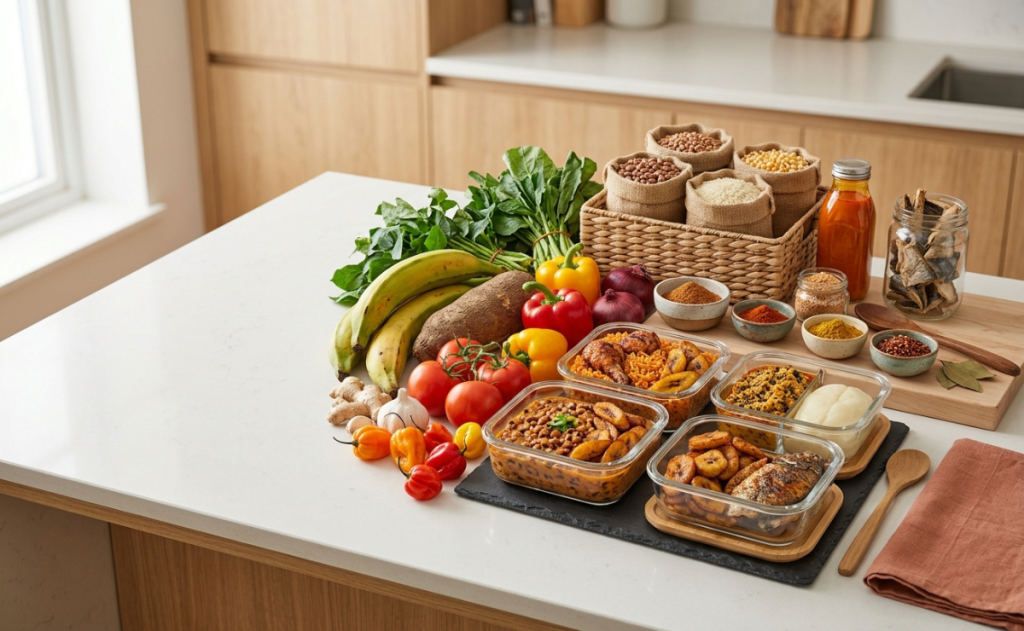
How to Build a Basic African Spice Collection
You do not need dozens of spices to start cooking delicious African-inspired meals.
A practical beginner's collection could include:
-
Ginger
-
Garlic
-
Thyme
-
Curry powder
-
Chili pepper
-
Black pepper
-
Cloves
-
Nutmeg
-
Cumin
-
Coriander
-
Paprika
-
Bay leaves
As you become more comfortable with African cooking, you can add regional spices and specialty ingredients.
How to Match Spices With Different Foods
One of the easiest ways to learn about spices is to think about the type of food you are preparing.
For Rice Dishes
Try combinations such as:
-
Thyme
-
Curry powder
-
Ginger
-
Garlic
-
Bay leaves
-
Black pepper
These can work well in flavorful rice dishes, depending on the recipe.
For Chicken
Chicken pairs well with:
-
Garlic
-
Ginger
-
Thyme
-
Paprika
-
Black pepper
-
Chili pepper
You can combine these spices with oil and other ingredients to create a simple marinade.
For Beef
For beef dishes, consider:
-
Ginger
-
Garlic
-
Black pepper
-
Cloves
-
Cumin
-
Chili pepper
The exact combination will depend on the recipe and cooking style.
For Fish
Fish can work well with lighter aromatic seasonings such as:
-
Garlic
-
Ginger
-
Black pepper
-
Chili pepper
-
Thyme
-
Paprika
Avoid using too much seasoning at once so that the natural flavor of the fish is not completely covered.
For Stews and Soups
Stews and soups provide plenty of room for experimenting.
You can combine aromatic ingredients such as ginger and garlic with chili peppers, thyme, curry powder, or other regional spices.
The best combination depends on the specific African dish you are preparing.
African Spice Blends to Explore
Once you understand individual spices, you can start exploring traditional African spice blends.
Suya Spice
Suya spice is associated with West African grilled meat known as suya.
It provides a spicy, savory, nutty, and aromatic flavor that works particularly well with grilled meats.
Berbere
Berbere is a well-known Ethiopian spice blend.
It is typically associated with bold, spicy flavors and is used in dishes such as stews and meat preparations.
Ras el Hanout
Ras el hanout is a North African spice blend traditionally associated with Moroccan cuisine.
It can contain a complex combination of warm, aromatic spices.
Because blends vary, the flavor can differ depending on the recipe or manufacturer.
How Much Spice Should You Use?
One of the biggest challenges for beginners is knowing how much spice to add.
Start with a small amount.
You can always add more seasoning during cooking, but adding too much at the beginning can make a dish difficult to balance.
A good approach is to:
-
Add a small amount of spice.
-
Allow the food to cook.
-
Taste the dish.
-
Adjust the seasoning gradually.
-
Stop when the flavors are balanced.
Remember that some spices become stronger as they cook, while others are more noticeable when added toward the end.
How to Store African Cooking Spices
Proper storage helps preserve the flavor and aroma of your spices.
Keep spices in:
-
Airtight containers
-
A cool location
-
A dry cupboard
-
A place away from direct sunlight
-
A location away from heat and steam
Avoid storing spices directly above your stove because heat and moisture can reduce their quality over time.
Label your containers with the name of the spice and, when possible, the date you purchased or opened it.
Common Mistakes When Choosing African Spices
Buying Too Many Spices at Once
It can be tempting to buy a large collection of spices, but many may sit unused.
Start with a few versatile options and expand your collection gradually.
Using Old Spices
Old spices can lose their aroma and flavor.
Check your spice cabinet regularly and replace spices that have been stored for a long time and no longer smell fresh.
Using Too Much Spice
More spice does not always mean more flavor.
Strong spices such as cloves, nutmeg, and chili peppers can easily overpower other ingredients.
Use them carefully.
Mixing Too Many Flavors
Combining too many spices without understanding how they work together can create an unbalanced dish.
Start with simple combinations and learn how each ingredient behaves.
Ignoring Regional Differences
African cuisine is incredibly diverse.
A spice commonly used in one region may not be traditional in another.
When preparing a specific African dish, follow the seasoning style associated with that particular cuisine or recipe.
Tips for Beginners Using African Cooking Spices
If you are new to African cooking, these simple tips can help:
-
Start with versatile spices.
-
Learn the flavor of each spice individually.
-
Use small amounts at first.
-
Taste your food as you cook.
-
Buy fresh spices whenever possible.
-
Store spices properly.
-
Explore different African cuisines.
-
Follow authentic recipes when learning a new dish.
-
Experiment gradually.
-
Keep notes about spice combinations you enjoy.
Where to Buy African Cooking Spices
African cooking spices can be found in African grocery stores, international supermarkets, specialty food shops, local markets, and some online stores.
When shopping, look for good-quality products with clear ingredient labels and appropriate packaging.
If you are buying less common spices, specialty African food stores can be a useful place to explore regional ingredients.
Frequently Asked Questions
What are the most important African spices for beginners?
A good starting collection includes ginger, garlic, thyme, chili pepper, curry powder, black pepper, paprika, cloves, nutmeg, cumin, and coriander.
You do not need all of them immediately. Start with the spices that match the dishes you cook most often.
What spices are commonly used in Nigerian cooking?
Nigerian cooking uses a wide range of spices and seasonings. Common examples include ginger, garlic, thyme, curry powder, chili peppers, cloves, nutmeg, and other regional ingredients.
The exact spices depend on the dish.
How can I make African food more flavorful?
Start with fresh ingredients and properly balance your spices and seasonings. Allow sauces and stews enough cooking time to develop their flavors, and taste your food throughout the cooking process.
Are African spices very spicy?
Not necessarily. Some African spices provide heat, while others mainly provide aroma, warmth, earthiness, sweetness, or smokiness.
The level of heat depends largely on the type and amount of chili pepper used.
Can I use African spices in non-African dishes?
Yes. Many African spices are versatile and can be used in other cuisines.
Ginger, garlic, cumin, coriander, paprika, thyme, and chili peppers can be incorporated into many different types of meals.
How long do African spices last?
The shelf life depends on the specific spice and storage conditions. Ground spices generally lose their flavor faster than whole spices.
For the best results, store spices in airtight containers in a cool, dry, dark place and replace them when their aroma and flavor become noticeably weak.
Final Thoughts
Choosing African cooking spices does not have to be complicated. The best approach is to start with a few versatile spices, learn how each one tastes, and gradually explore ingredients from different African cuisines.
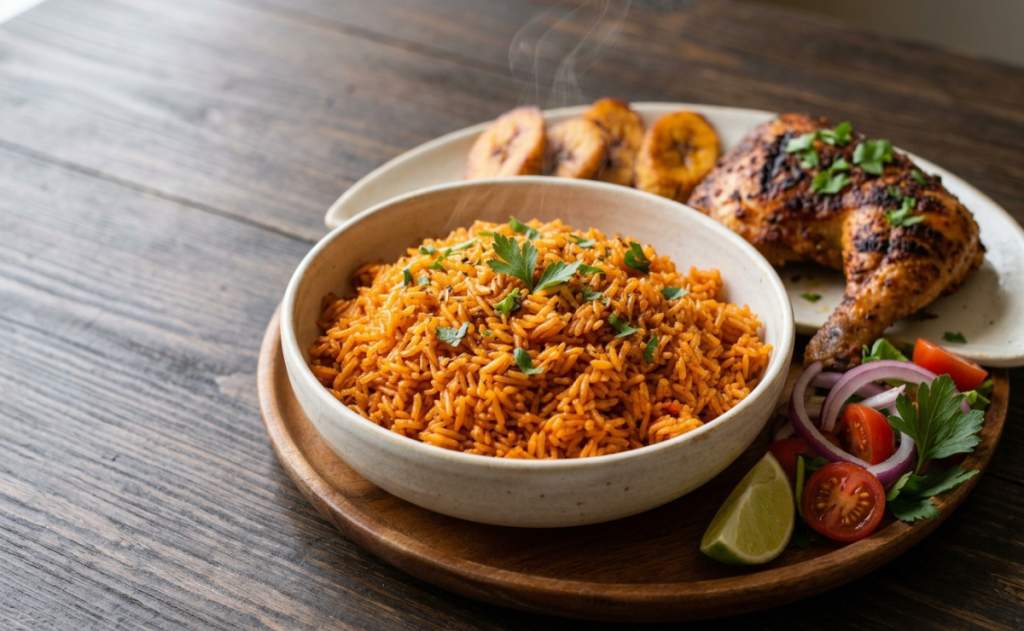
Whether you are preparing Nigerian jollof rice, West African grilled meat, Ethiopian stews, Moroccan dishes, or your own African-inspired recipes, the right spices can transform a simple meal into something rich, aromatic, and memorable.
Build your spice collection gradually, choose quality ingredients, store them properly, and do not be afraid to experiment.
With the right African cooking spices in your kitchen, you can bring authentic and exciting flavors to your everyday meals.
Happy cooking!
Available in our store

Aboniki Balm
$3.99

Beef Feet (Cow Leg)
$9.99 – $49.99Price range: $9.99 through $49.99
Best African Hausa Koko
$6.99
Boneless Beef Shank
$16.99 – $212.99Price range: $16.99 through $212.99