

Meal Planning With African Groceries: Easy Tips for Healthy Weekly Meals

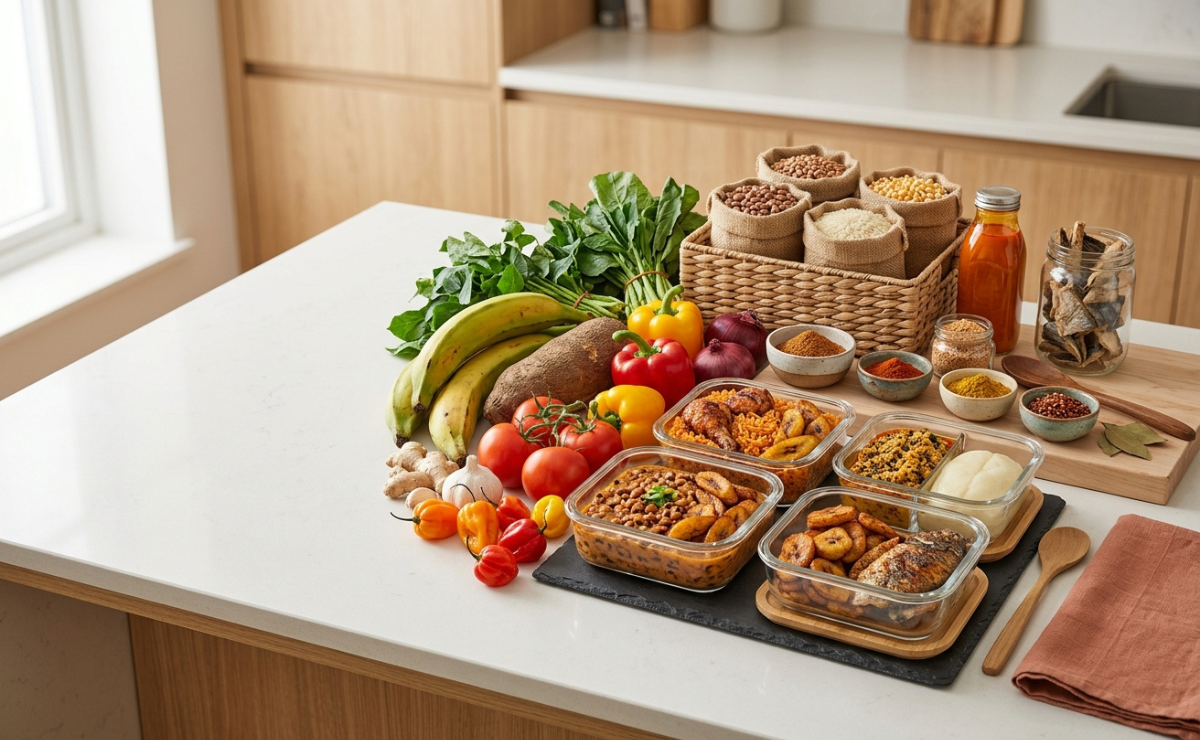
Meal Planning With African Groceries: Easy Tips for Healthy Weekly Meals
Meal planning can make everyday cooking easier, save money, reduce food waste, and help you enjoy a greater variety of meals throughout the week.
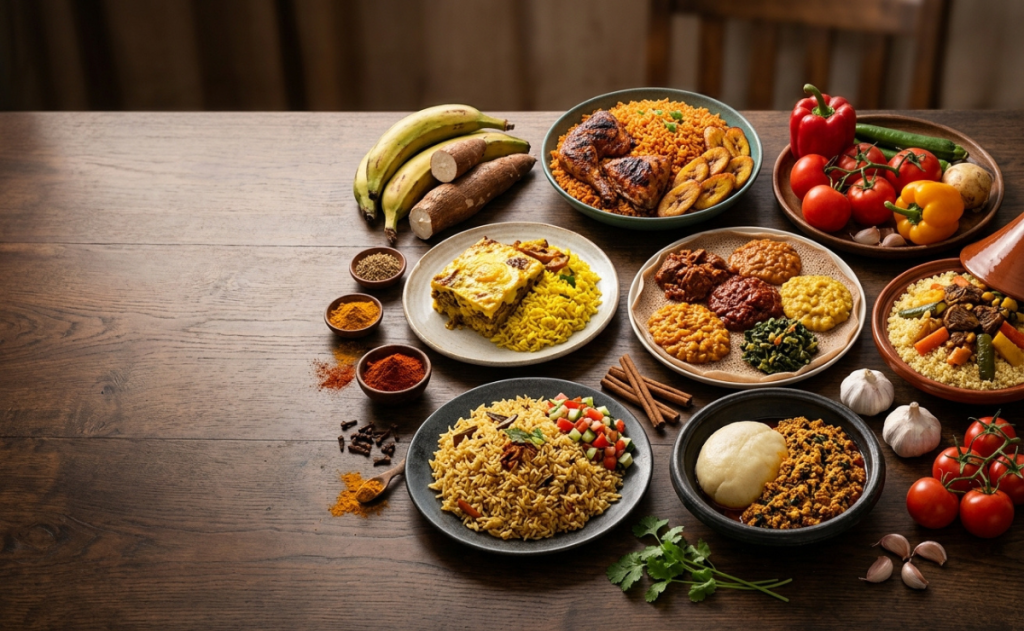
When you shop at an African grocery store, you have access to a wide range of ingredients that can be used to create flavorful and satisfying meals. From rice, beans, yams, and plantains to fresh vegetables, peppers, spices, and traditional ingredients, African groceries can form the foundation of a practical weekly meal plan.
Whether you are cooking for yourself, your family, or a large household, learning how to plan meals around the ingredients you already enjoy can make grocery shopping and cooking much more manageable.
What Is Meal Planning?
Meal planning is the process of deciding what you will eat ahead of time and purchasing the ingredients needed to prepare those meals.
Instead of deciding what to cook every day, you can plan several meals for the week, create a shopping list, and prepare some ingredients in advance.
For example, a simple weekly plan might include:
- Rice and stew
- Beans and plantain
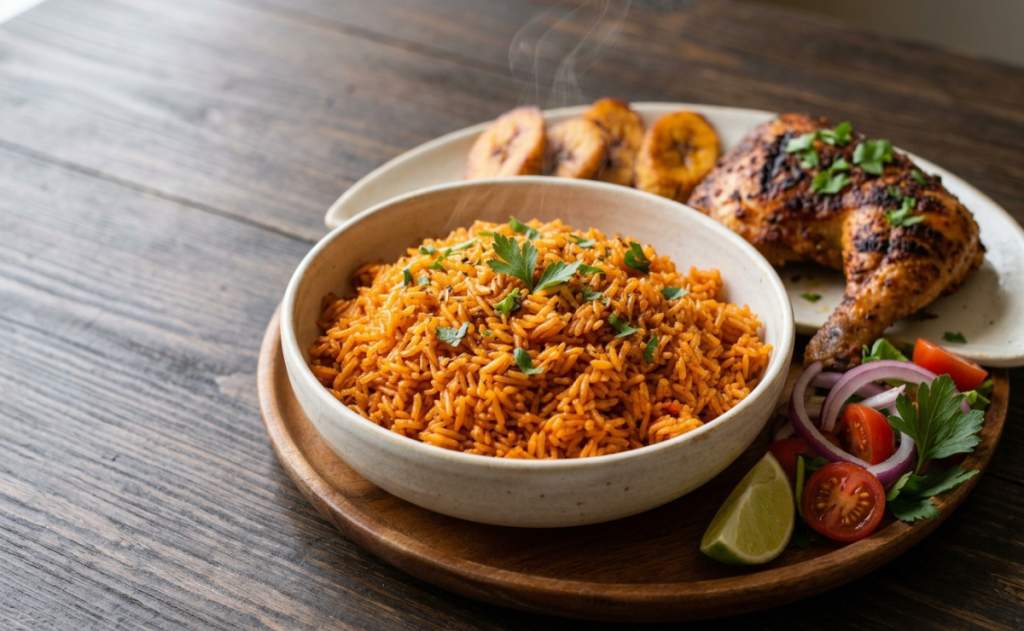
- Jollof rice and chicken
- Yam and egg sauce
- Vegetable soup with a preferred side
- Moi moi
- Fried rice with vegetables
Meal planning does not mean that every meal has to be complicated. The goal is to make cooking easier and more organized.
Why Meal Planning With African Groceries Is Helpful
African cooking often involves ingredients that can be used in several different dishes.
For example, tomatoes, onions, peppers, rice, beans, plantains, and leafy vegetables can appear in many different meals.
Planning around these versatile ingredients can help you get more value from your grocery shopping.
1. It Can Save Money
A shopping list helps you focus on the ingredients you actually need.
Instead of buying random items every time you visit the grocery store, you can purchase ingredients based on the meals you intend to prepare.
Buying versatile ingredients can also help you prepare multiple meals without needing completely different groceries for every recipe.
2. It Reduces Food Waste
Meal planning can help you use fresh ingredients before they spoil.
For example, if you purchase tomatoes, peppers, onions, and leafy vegetables, plan meals that use those ingredients during the week.
You can also freeze suitable ingredients or prepared foods when appropriate.
3. It Saves Time
Preparing ingredients in advance can make weekday cooking much faster.
You can wash vegetables, blend pepper and tomato mixtures, cook beans, prepare sauces, or portion ingredients ahead of time.
Then, when it is time to cook, much of the preparation has already been completed.
4. It Makes Healthy Choices Easier
Planning your meals gives you an opportunity to include a variety of foods throughout the week.
You can combine staple foods with vegetables, beans, fish, chicken, meat, eggs, and other ingredients to create balanced meals that suit your household.
Essential African Groceries for Meal Planning
A good meal plan starts with versatile ingredients.
You do not need to buy everything available at an African grocery store. Instead, focus on foods that you regularly use and that can work across multiple meals.
Rice
Rice is one of the most versatile staples for meal planning.
Depending on your preferences, you can use it for:
- Jollof rice
- Fried rice
- White rice and stew
- Coconut rice
- Vegetable rice
- Rice served with beans
Beans
Beans are another useful ingredient for weekly meal planning.
You can prepare beans as a main dish or combine them with other foods.
Popular options include:
- Beans and plantain
- Beans porridge
- Moi moi
- Rice and beans
- Bean cakes
Plantains
Plantains can be prepared in several ways, including frying, boiling, baking, or roasting.
Ripe plantains can add sweetness to savory meals, while less-ripe plantains can be used for different types of hearty dishes.
Yams
Yams are another versatile African staple.
They can be boiled, fried, roasted, or used in other traditional preparations.
Yam can also be served with egg sauce, vegetable sauces, stews, or other preferred accompaniments.
Tomatoes, Peppers, and Onions
These ingredients form the foundation of many African sauces and stews.
Keeping them available makes it easier to prepare meals throughout the week.
You can prepare a blended tomato and pepper mixture ahead of time and store it appropriately for later cooking.
Leafy Vegetables
Fresh leafy vegetables can add variety to your meals.
Depending on availability and your preferred cuisine, you might use vegetables such as spinach, ugu, waterleaf, or other local leafy greens.
Spices and Seasonings
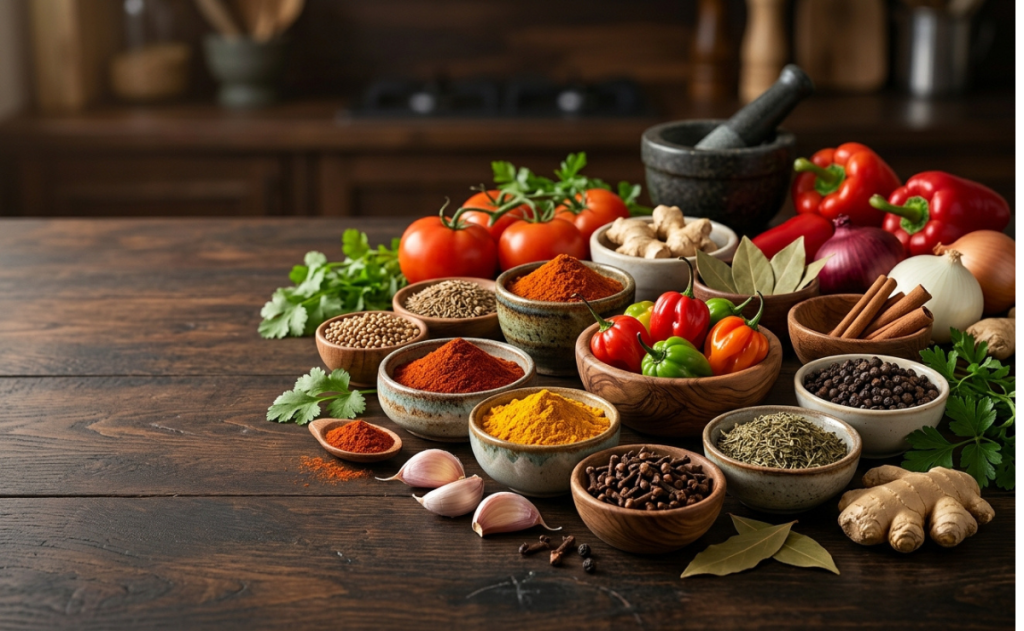
Keep commonly used spices and seasonings in your pantry so you do not have to purchase them every time you cook.
Your selection might include:
- Curry powder
- Dried thyme
- Paprika
- Black pepper
- Ginger
- Garlic
- Bay leaves
- Other preferred spices
How to Create a Weekly African Meal Plan
Creating a meal plan does not have to be complicated.
Follow these simple steps.
Step 1: Check What You Already Have
Before going shopping, check your pantry, refrigerator, and freezer.
Look for ingredients that need to be used soon.
You may already have rice, beans, frozen vegetables, meat, fish, spices, or other ingredients that can become part of your weekly meals.
Step 2: Choose Your Main Meals
Choose several meals you would like to eat during the week.
Try to select meals that use some of the same ingredients.
For example, tomatoes, peppers, and onions can be used for several sauces and rice dishes.
This makes your shopping more efficient.
Step 3: Build Your Grocery List
Once you know your meals, write down the ingredients you need.
Separate your list into categories such as:
Staples
- Rice
- Beans
- Yam
- Plantain
Fresh Produce
- Tomatoes
- Peppers
- Onions
- Leafy vegetables
Protein
- Chicken
- Fish
- Beef
- Eggs
Pantry Items
- Spices
- Seasonings
- Cooking oil
- Tomato paste
This makes grocery shopping faster and more organized.
Step 4: Buy Ingredients That Can Be Used in Multiple Meals
One of the best meal-planning strategies is to purchase ingredients that work in different recipes.
For example, a batch of tomato and pepper sauce can potentially be used for rice, stew, beans, or other dishes.
This reduces the number of separate ingredients you need to purchase.
Step 5: Prepare Ingredients in Advance
Set aside some time during the week to prepare ingredients.
You could:
- Wash vegetables
- Chop onions
- Blend peppers and tomatoes
- Cook beans
- Marinate meat
- Portion fish or chicken
- Prepare sauces
- Cook staple foods that store well
Store prepared foods appropriately and use them within a safe timeframe.
Example of a Simple African Weekly Meal Plan
Here is an example of how you could organize meals for a week.
| Day | Main Meal |
|---|---|
| Monday | Jollof rice with grilled chicken and vegetables |
| Tuesday | Beans and fried plantain |
| Wednesday | Rice with tomato stew and fish |
| Thursday | Yam with egg and vegetable sauce |
| Friday | Fried rice with chicken |
| Saturday | Moi moi with rice or plantain |
| Sunday | Vegetable soup with a preferred staple |
You can adjust this plan according to your household, budget, dietary preferences, and cooking schedule.
How to Save Money When Shopping for African Groceries
Meal planning can also help you control your grocery budget.
Buy According to Your Meal Plan
Avoid purchasing large quantities of ingredients simply because they are available.
Instead, consider how often you will actually use them.
Choose Versatile Ingredients
Ingredients that can be used in several meals can provide greater value.
Rice, beans, tomatoes, onions, peppers, plantains, and common spices can be incorporated into many different dishes.
Use Seasonal Produce
When certain fruits and vegetables are readily available, they may be more affordable.
Building some of your meals around available produce can help you vary your menu while managing your grocery budget.
Reduce Takeout
Having ingredients and prepared components available at home can make it easier to cook instead of ordering food when you are tired or busy.
Meal Prep Ideas for Busy Families
If you have a busy schedule, you do not necessarily need to cook every meal from scratch every day.
Instead, prepare components that can be combined into different meals.
For example, you can prepare a tomato and pepper base, cook a batch of beans, wash vegetables, and portion proteins.
During the week, these ingredients can be used to create different meals.
This approach gives you flexibility without requiring several hours of cooking every day.
How to Store African Groceries Properly
Proper storage is important when meal planning.
Keep dry goods such as rice, beans, and spices in clean, dry, airtight containers where appropriate.
Fresh vegetables should be stored according to their individual storage needs.
Prepared meals should be cooled and stored safely in suitable containers.
If you are freezing food, divide it into practical portions so you only need to thaw what you plan to eat.
Always follow appropriate food-safety practices when storing and reheating prepared food.
How to Avoid Getting Bored With Your Meal Plan
Eating the same meal repeatedly can become boring.
One simple solution is to use the same core ingredients in different ways.
For example, rice can be served with different sauces, vegetables, proteins, or preparations throughout the week.
Plantains can also be prepared differently.
Beans can become a standalone meal, a side dish, or an ingredient in another preparation.
Changing seasonings, vegetables, and proteins can also create variety without requiring an entirely different grocery list.
Final Thoughts
Meal planning with African groceries can make cooking more organized, affordable, and enjoyable.
The key is to start with versatile ingredients, plan meals around what you already have, create a practical shopping list, and prepare some ingredients ahead of time.
You do not need an elaborate meal plan. Even planning a few meals each week can reduce last-minute cooking decisions, minimize food waste, and help you make better use of the ingredients in your kitchen.
With staples such as rice, beans, plantains, yams, vegetables, tomatoes, peppers, onions, and your favorite proteins and spices, you can create a wide variety of flavorful meals throughout the week.
Start with a simple plan, shop with purpose, and make your African groceries work harder for you.
Available in our store

Aboniki Balm
$3.99

Beef Feet (Cow Leg)
$9.99 – $49.99Price range: $9.99 through $49.99
Best African Hausa Koko
$6.99
Boneless Beef Shank
$16.99 – $212.99Price range: $16.99 through $212.99