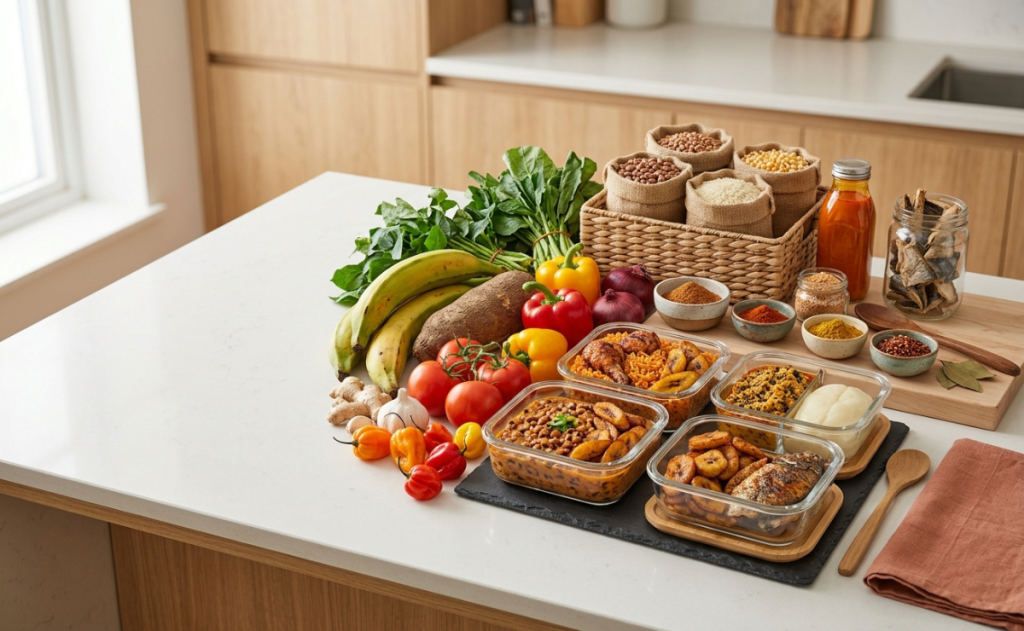
A Guide to African Flours and Starches
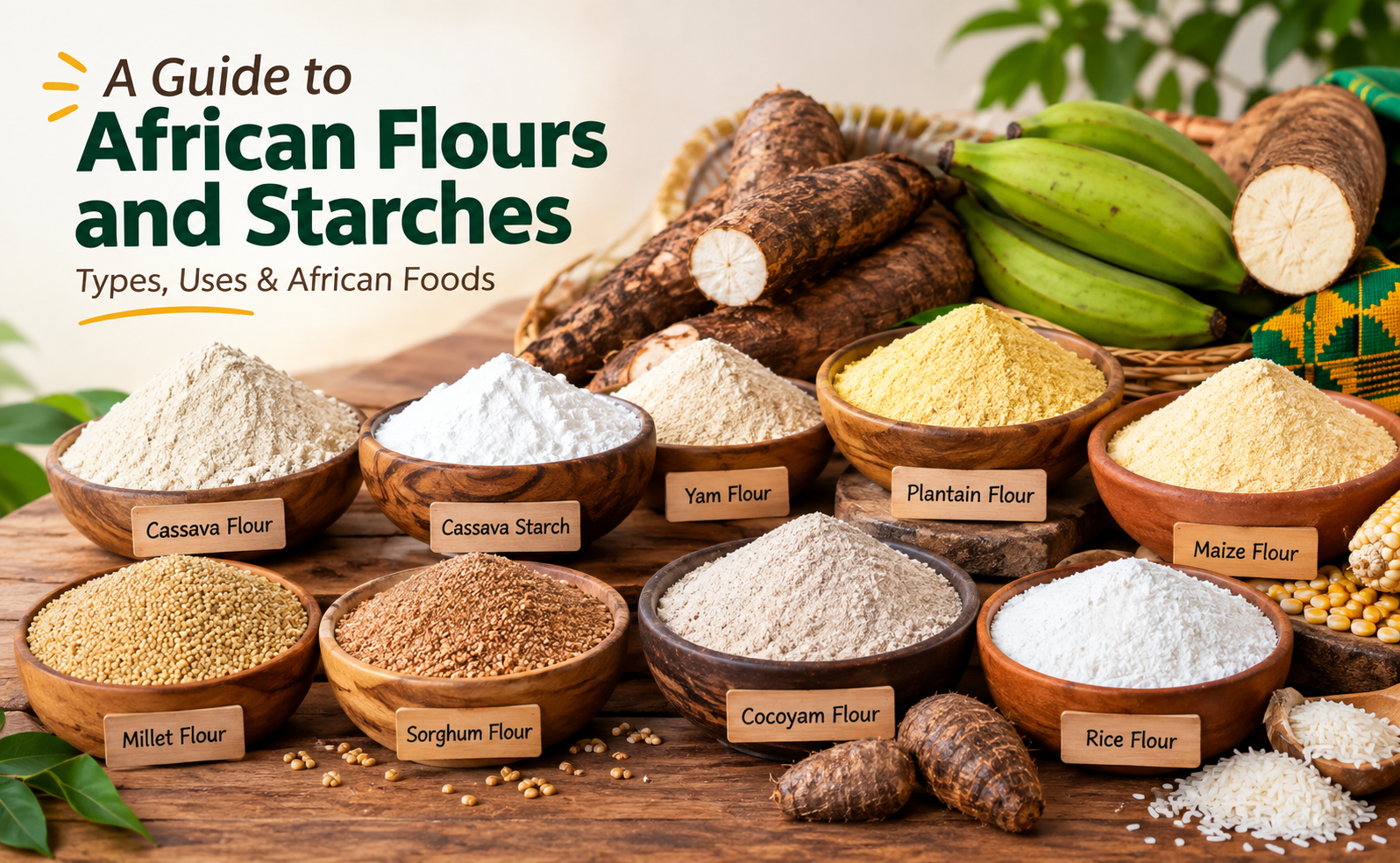
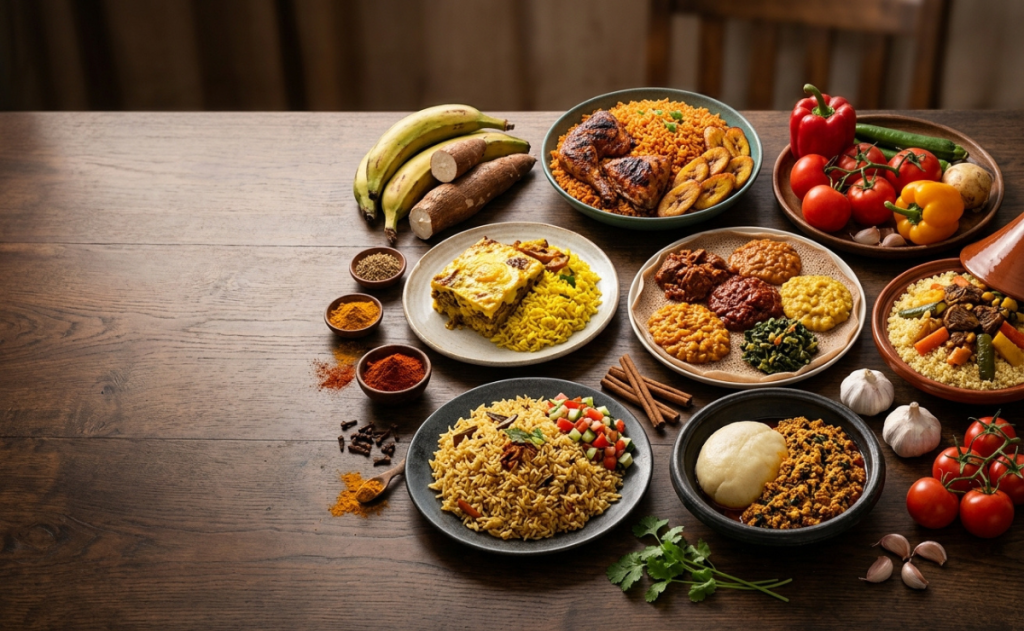
African cuisine is rich in unique flours and starches that form the foundation of many traditional dishes. From cassava and yam to maize, millet, sorghum, and plantain, these ingredients are used to make everything from smooth swallows and porridges to breads, snacks, and hearty meals.
In this guide, discover some of the most popular African flours and starches, how they are made, how they are used, and which traditional dishes you can prepare with them. Whether you are exploring African cooking for the first time or looking to understand familiar ingredients better, this guide will help you choose the right flour or starch for your kitchen.
What Are African Flours and Starches?
African flours and starches are made from a variety of grains, roots, tubers, fruits, and other plant-based ingredients. They are an important part of everyday cooking across West, East, Central, and Southern Africa.
Some are naturally gluten-free, while others are valued for their ability to create smooth, stretchy, thick, or fluffy textures. Their uses vary widely depending on the ingredient and the region.
Popular African Flours and Starches
1. Cassava Flour and Cassava Starch
Cassava is one of the most widely used root crops in African cooking. Cassava flour is produced by processing dried cassava roots into a fine powder, while cassava starch is extracted from the root.
Cassava-based ingredients are used in dishes such as garri, fufu, and various African snacks and baked foods.
2. Yam Flour
Yam flour is made from dried yam that has been processed and ground into flour. It is particularly popular in West African cooking and is commonly used to prepare amala.
When cooked with water, yam flour produces a smooth, soft swallow that is traditionally served with soups and stews.
3. Plantain Flour
Plantain flour is made from dried unripe plantains that are ground into a fine flour. It can be used to prepare swallow dishes, porridges, pancakes, and baked foods.
Plantain flour is also popular among people looking for alternatives to traditional grain-based flours.
4. Maize Flour
Maize, also known as corn, is an important staple across many parts of Africa. Maize flour is used to prepare a wide variety of dishes, including pap, ugali, sadza, and other traditional porridges and staple foods.
The texture and preparation method can vary considerably from one region to another.
5. Millet Flour
Millet is an ancient grain that has been cultivated across Africa for generations. Millet flour can be used for porridges, traditional beverages, flatbreads, and other regional dishes.
It has a distinctive earthy flavor and is particularly important in several West and East African food traditions.
6. Sorghum Flour
Sorghum is another important African grain used in traditional cooking. Sorghum flour can be used for porridge, flatbreads, baked foods, and fermented foods and beverages.
Its slightly nutty flavor makes it a versatile ingredient for both traditional and modern recipes.
7. Cocoyam Flour
Cocoyam flour is produced from dried cocoyam and can be used as a thickener or as an ingredient in traditional dishes.
It is valued for its ability to contribute body and texture to meals.
8. Rice Flour
Rice flour is used in different African cuisines for snacks, porridges, pancakes, steamed foods, and baked recipes.
It can also be combined with other flours to create different textures and flavors.
What Is the Difference Between Flour and Starch?
Although the terms are sometimes used interchangeably, flour and starch are not exactly the same.
Flour is generally produced by grinding a whole or dried plant ingredient into a powder. Depending on the ingredient, it may contain carbohydrates, fiber, protein, and other naturally occurring components.
Starch is a more refined carbohydrate extracted from a plant. Cassava starch, for example, is processed to separate the starch from much of the other material in the root.
This difference affects how each ingredient behaves during cooking.
How African Flours Are Used
African flours can be used in many different ways, including:
Preparing traditional swallow dishes
Making porridges
Baking bread and snacks
Thickening soups and sauces
Preparing pancakes and flatbreads
Making traditional beverages
Creating modern gluten-free recipes
Preparing snacks and desserts
The same flour can sometimes be used differently depending on the country and culinary tradition.
Choosing the Right African Flour
When choosing an African flour or starch, consider what you are preparing and the texture you want to achieve.
For swallow dishes, yam, plantain, cassava, and other root-based flours may be suitable depending on the recipe.
For porridges and grain-based dishes, maize, millet, sorghum, and rice flours are commonly used.
For thickening sauces or creating a particular texture, a starch may be more appropriate than a whole-grain flour.
Always follow the preparation instructions for the specific product because cooking methods and liquid requirements can vary.
How to Store African Flours and Starches
Proper storage helps maintain freshness and quality.
Keep flour and starch in a clean, dry, airtight container. Store them away from moisture, direct sunlight, heat, and strong odors.
Always check the packaging for specific storage instructions and use older products before newer ones when possible.
Final Thoughts
African flours and starches are more than simple pantry ingredients. They are an important part of the continent's culinary heritage and are used to create a remarkable variety of traditional foods.
From cassava and yam to maize, millet, sorghum, and plantain, understanding these ingredients can make it easier to explore African recipes and choose the right ingredient for every dish.
Whether you are preparing a traditional meal or experimenting with African-inspired cooking, learning about these versatile flours and starches is a great place to start.